
From the moment a child starts imitating those around them, a world of imagination begins to unfold before them. At times, they become a doctor treating their dolls, and at other times, a chef creating imaginary recipes. In between, their personality forms and their skills grow without them even realizing it.
Role-playing games open up a world of imagination and learning for children. They don’t only provide fun, but also help develop creativity, build confidence, and enhance communication and thinking skills. In this article, we explore the importance of role-playing games for children and how to choose the right game for your child’s age, combining both fun and benefit.
What Are Role-Playing Games?
Role-playing games are a type of play where participants act out characters in an imaginary world. Players contribute to building the story and developing their characters through decisions, skill-building, and interaction with other characters and the surrounding environment. These games come in various forms depending on style and medium, such as tabletop games with a game master (like D&D), video games, board games, and more. However, the core concept remains the same: embodying a character within a cooperative or individual narrative.
Best Role-Playing Games from Meem Toys
- Carpenter Tools Playset in a Carry Case
- Mobile Medical Clinic Bus
- Complete Chef Kitchen Set
- Kitchen Playset
- “Doctor Sweet” Mobile Doctor Set
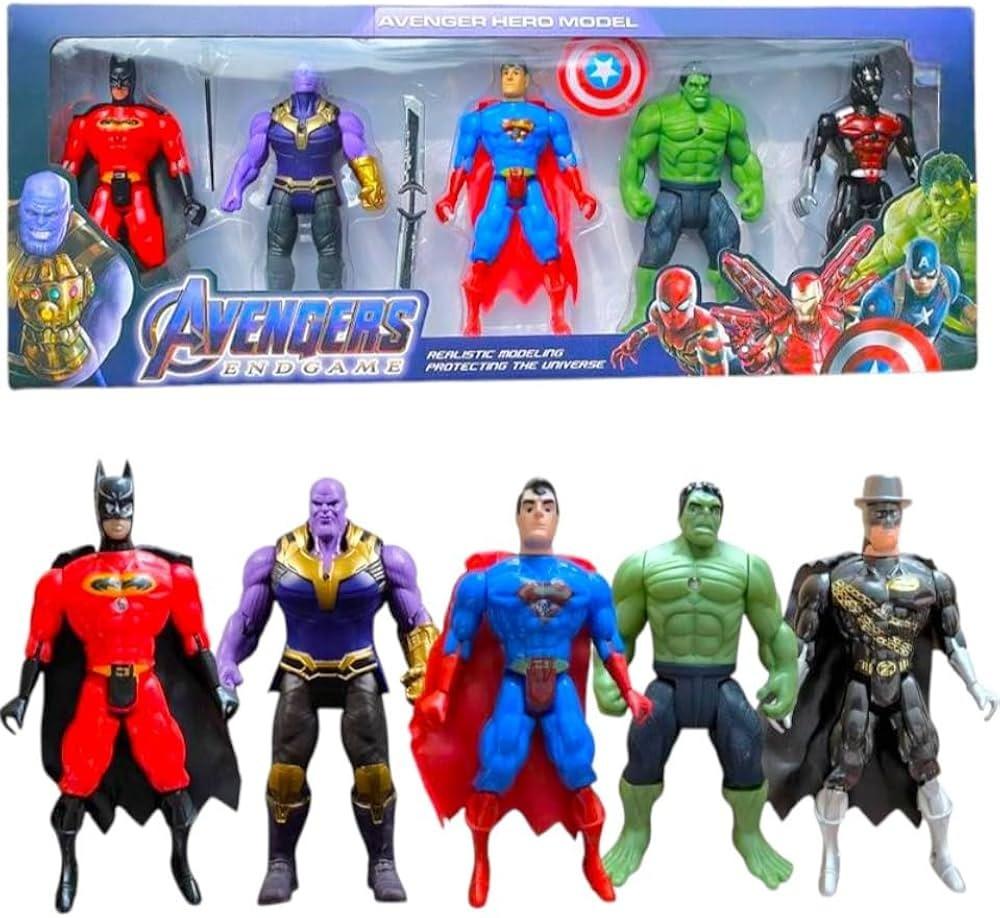
- “Super Alliance Heroes” Playset
- “Fun Store” Cash Register Playset for Girls
The Importance of Role-Playing
Role-playing plays a crucial role in supporting educational, psychological, and social development. It is an effective tool for activating a wide range of skills in children. Its key benefits include:
- Enhancing sensory and cognitive abilities while stimulating creativity and innovation, as children embody characters and stories in an interactive way, leading to deeper engagement and better understanding and retention of information.
- Strengthening self-expression through voice and body movement, which helps children express emotions and develop linguistic and social communication skills.
- Building self-confidence and reducing shyness by offering opportunities for positive interaction outside traditional evaluation or testing environments.
- Supporting interactive sensory and motor learning, including auditory, visual, and physical perception styles, making learning more inclusive and adaptable for all learners.
- Developing problem-solving, negotiation, cooperation, and effective social interaction skills through diverse role experiences that require decision-making and critical thinking.
- Helping children with communication challenges, such as autism, improve expression and social skills in a safe and encouraging environment.
Therefore, role-playing is not merely an entertaining activity, but a fundamental educational and developmental tool that supports a child’s holistic growth on physical, cognitive, and social levels, and forms part of modern learning strategies that integrate education with creativity and the arts.
8 Reasons That Highlight the Importance of Role-Playing for Children
Here are eight reasons explaining how role-playing contributes to shaping children’s personalities and future:
- Supports memory development by helping young children understand and distinguish between the past and the future, making learning more enjoyable and mentally stimulating.
- Enhances problem-solving abilities by allowing children to experience diverse scenarios that refine critical thinking and decision-making skills.
- Encourages emotional and idea expression, improving both verbal and non-verbal communication skills.
- Nurtures imagination and creativity by motivating children to create imaginative worlds and characters.
- Builds self-confidence and reduces daily anxiety, such as easing fear of situations by reversing roles, like playing the doctor instead of the patient.
- Develops social and teamwork skills by promoting interaction with peers and teaching negotiation and conflict resolution.
- Strengthens social and emotional awareness by teaching children to accept others’ opinions and empathize with them.
- Helps shape a balanced personality by adopting positive traits from role models they imitate and gaining a deeper understanding of themselves and their surroundings.
All these reasons confirm that role-playing is not just entertainment, but a powerful educational tool that supports children’s psychological and social growth and helps them build a strong, balanced future.
How to Choose the Right Role-Playing Games for Your Child’s Age
To choose age-appropriate role-playing games, it’s recommended to consider several key factors to ensure maximum benefit and safety:
- Age suitability: Check the age rating on the game. Simple games suit younger children, while more complex ones are better for older kids and teens.
- Content and storyline: Choose stories and characters that match your child’s understanding and interests, and avoid violent or overly complex themes.
- Rule simplicity: Simple rules are ideal for younger children, while older ones enjoy more complex systems that allow creativity and variety.
- Type of play: Prefer cooperative games that enhance social interaction over intense competition or isolation.
- Child’s skills: Select games that match current abilities and encourage learning new skills like critical thinking, planning, communication, or creativity.
- Parental supervision: For younger children, choose games that allow parental participation and guidance.
- Safety: Ensure materials are safe and free from small parts that may cause choking or injury.
- Reviews and recommendations: Rely on expert opinions, parent experiences, and safety ratings from trusted platforms.
What Are the Benefits of Role-Playing Games?
Role-playing games offer a wide range of benefits that support a child’s overall development, including:
- Developing social and communication skills: Teaching interaction, negotiation, and peaceful conflict resolution.
- Enhancing creativity and imagination: Allowing children to build imaginative worlds and characters.
- Improving emotional skills: Helping children understand and express emotions in a healthy way.
- Building self-confidence: Boosting confidence as children successfully perform different roles.
- Strengthening problem-solving skills: Encouraging innovative thinking when facing challenges.
- Enhancing motor and cognitive skills: Especially in games involving physical movement and sensory interaction.
- Teaching values and ethics: Such as friendship, respect, cooperation, and honesty.
- Reducing stress and anxiety: Providing a safe outlet to express fears and emotions.
The Role of Role-Playing in Behavior Modification
Role-playing plays a vital role in behavior modification by creating a safe educational and therapeutic environment that helps individuals understand others and interact positively, leading to improved behavior and personal growth.
- Modifying negative behavior patterns: Helps children recognize undesirable behaviors and replace them with positive alternatives.
- Enhancing empathy and understanding: Encourages children to see situations from others’ perspectives, reducing aggression and tension.
- Developing social skills: Improves healthy communication and social interaction.
- Addressing behavioral challenges: Used in therapy for conditions such as hyperactivity, stuttering, and shyness.
- Strengthening decision-making and problem-solving skills: Provides opportunities to practice planning and sound decision-making.
In conclusion, role-playing games go far beyond simple entertainment. They are a gateway through which children explore themselves and the world around them in a fun and interactive way. Choosing age-appropriate games that match your child’s interests provides an educational play experience that strengthens skills and enriches imagination—turning every play moment into a step toward building a confident, creative personality.